Top Tips for a Flawless Paint Job
Painting can transform a space, adding color and personality to your home. However, achieving a flawless paint job requires more than just picking a color and slapping it on the walls. Whether you are a seasoned DIYer or a first-time painter, these tips will help you achieve a professional-looking finish.
Prepare Your Space
Before you even think about opening a can of paint, preparation is key. Here’s how to set the stage for a successful paint job:
Clear the Area
Remove Furniture: Take out as much furniture as possible. If you can’t move it, cover it with drop cloths or plastic sheets.
Protect the Floors: Lay down drop cloths or old sheets to protect your flooring from spills and splatters.
Clean the Walls
Dust and dirt can prevent paint from adhering properly. Use a damp cloth to wipe down the walls. For greasy areas, a mixture of water and mild detergent can help.
Repair Imperfections
Inspect the walls for any holes, cracks, or imperfections. Use spackle or joint compound to fill these gaps, and sand them smooth once dry. This step is crucial for a smooth finish.
Choose the Right Tools
Having the right tools can make a significant difference in the outcome of your paint job. Here’s what you’ll need:
Brushes and Rollers
Quality Brushes: Invest in high-quality brushes for cutting in around edges and corners. A 2- to 3-inch angled brush works well for most jobs.
Rollers: Use a roller for larger areas. Choose the nap thickness based on your wall texture; a thicker nap is better for rough surfaces.
Paint Tray and Liners
A paint tray allows for even distribution of paint on your roller. Using liners can make cleanup easier.
Painter’s Tape
Use painter’s tape to mask off areas you don’t want to paint, such as trim, windows, and door frames. This will help you achieve clean lines.
Selecting the Right Paint
Choosing the right paint can be overwhelming with so many options available. Here’s how to make the best choice:
Types of Paint
Latex Paint: This water-based paint is easy to clean up and dries quickly. It’s suitable for most interior walls.
Oil-Based Paint: This type is more durable and is often used for trim and cabinets. However, it takes longer to dry and requires solvents for cleanup.
Finish Options
Flat/Matte: Good for hiding imperfections but not very washable.
Eggshell: Offers a slight sheen and is easier to clean than flat paint.
Satin: More durable and washable, making it great for high-traffic areas.
Semi-Gloss and Gloss: Ideal for trim and cabinets due to their durability and shine.
Color Selection
When choosing a color, consider the mood you want to create. Lighter colors can make a space feel larger, while darker shades can add warmth and coziness. Always test paint samples on your walls before making a final decision.
The Painting Process
Now that you’re prepared, it’s time to start painting. Follow these steps for the best results:
Start with the Edges
Use your angled brush to cut in around the edges of the walls, including corners and areas near the ceiling. This step is essential for achieving clean lines.
Roll the Walls
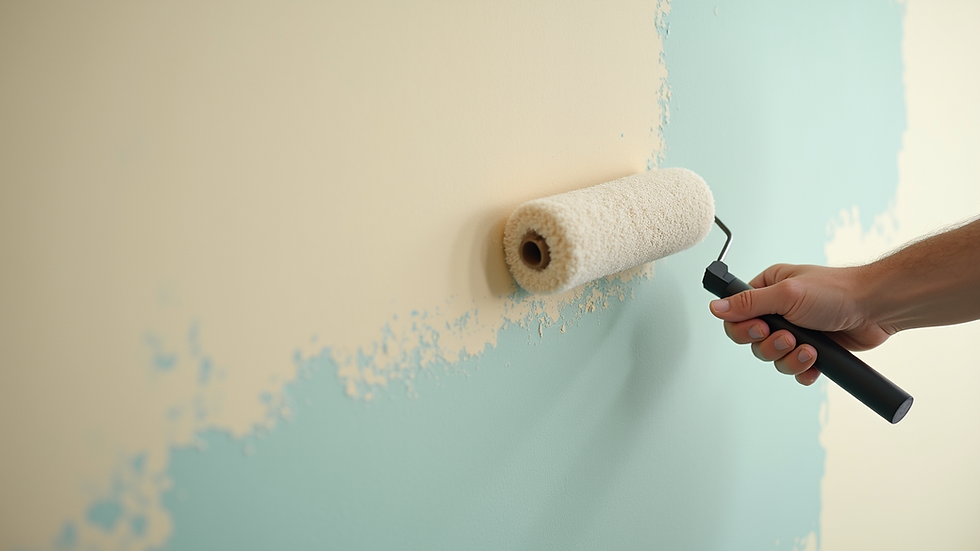
Once the edges are done, use your roller to fill in the larger areas. Here’s how to do it effectively:
Load the Roller: Dip the roller into the paint tray and roll it along the tray’s ridges to remove excess paint.
Apply in Sections: Work in sections, rolling in a “W” pattern to ensure even coverage.
Feather the Edges: Blend the edges of each section to avoid visible lines.
Multiple Coats
Depending on the color and type of paint, you may need multiple coats for full coverage. Allow each coat to dry completely before applying the next.
Finishing Touches
Once the paint has dried, it’s time for the finishing touches:
Remove Painter’s Tape
Carefully remove the painter’s tape while the paint is still slightly tacky. This helps prevent peeling.
Touch Up
Inspect the walls for any missed spots or imperfections. Use a small brush to touch up these areas.
Clean Up
Clean your brushes and rollers according to the paint type used. Dispose of any leftover paint responsibly.
Maintenance Tips
To keep your freshly painted walls looking great, follow these maintenance tips:
Regular Cleaning: Dust and clean your walls regularly to prevent buildup.
Avoid Harsh Chemicals: Use mild soap and water for cleaning to avoid damaging the paint.
Touch Up as Needed: Keep a small amount of leftover paint for touch-ups in the future.
Conclusion
Achieving a flawless paint job is within your reach with the right preparation, tools, and techniques. By following these tips, you can transform your space and enjoy the satisfaction of a job well done. Remember, the key to a successful paint job lies in the details, so take your time and enjoy the process. Happy painting!


Comments